Call Us/Whatsapp Us: +65 8385 9933 | Email: aman@amanengineering.com.sg for inquiry and free quotation

Shop Drawing

3D BIM for Structural & MEP Modeling | Clash Detection

Precision in Digital Construction

3D Building Information Modeling (BIM) revolutionizes how structural, mechanical, electrical, and plumbing (MEP) systems are designed, coordinated, and executed. We leverage BIM to create intelligent, data-rich models that streamline collaboration, reduce errors, and optimize timelines.

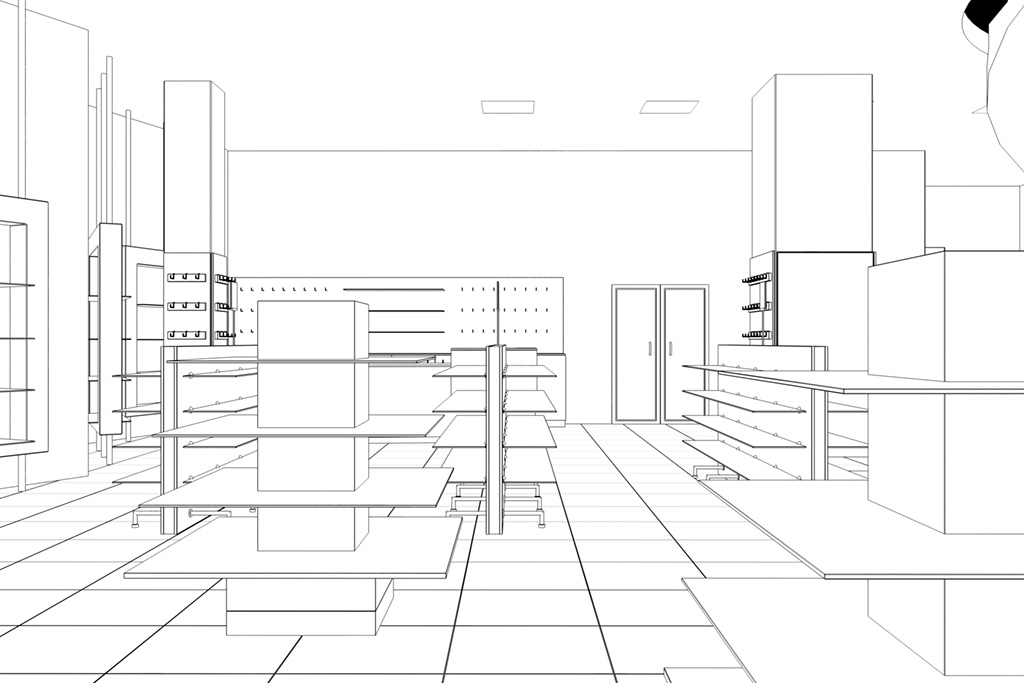
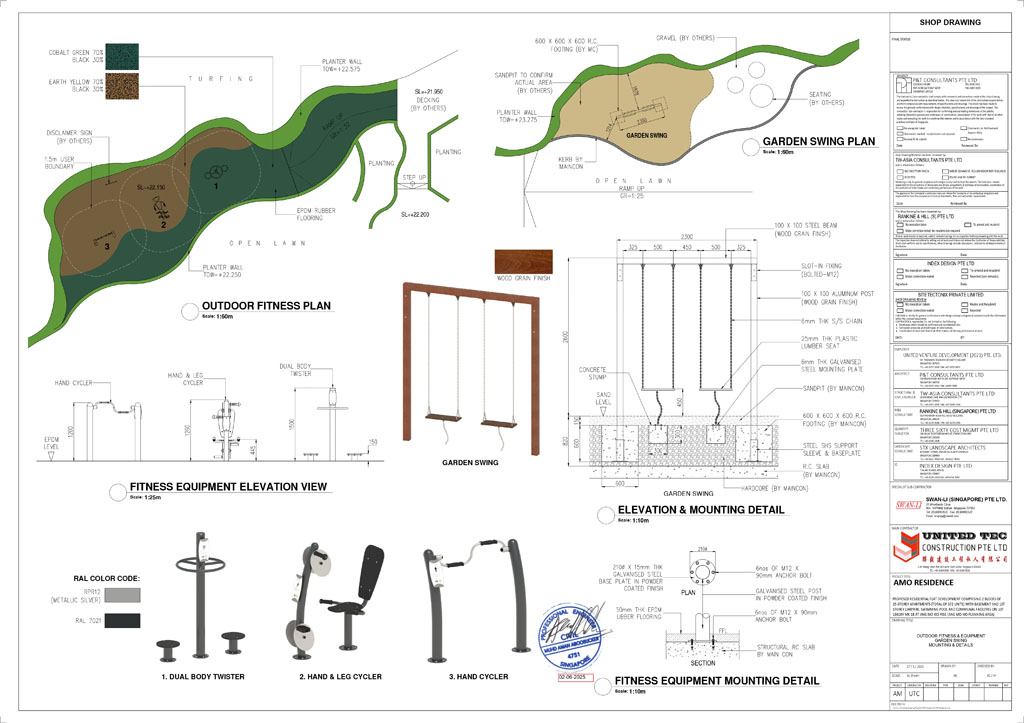
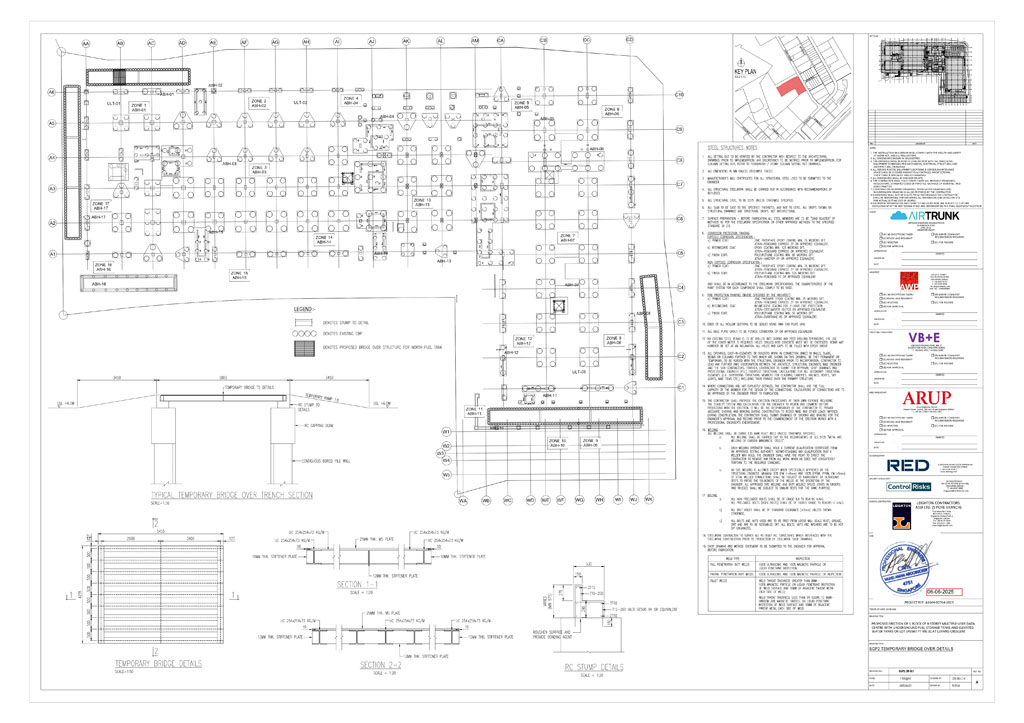
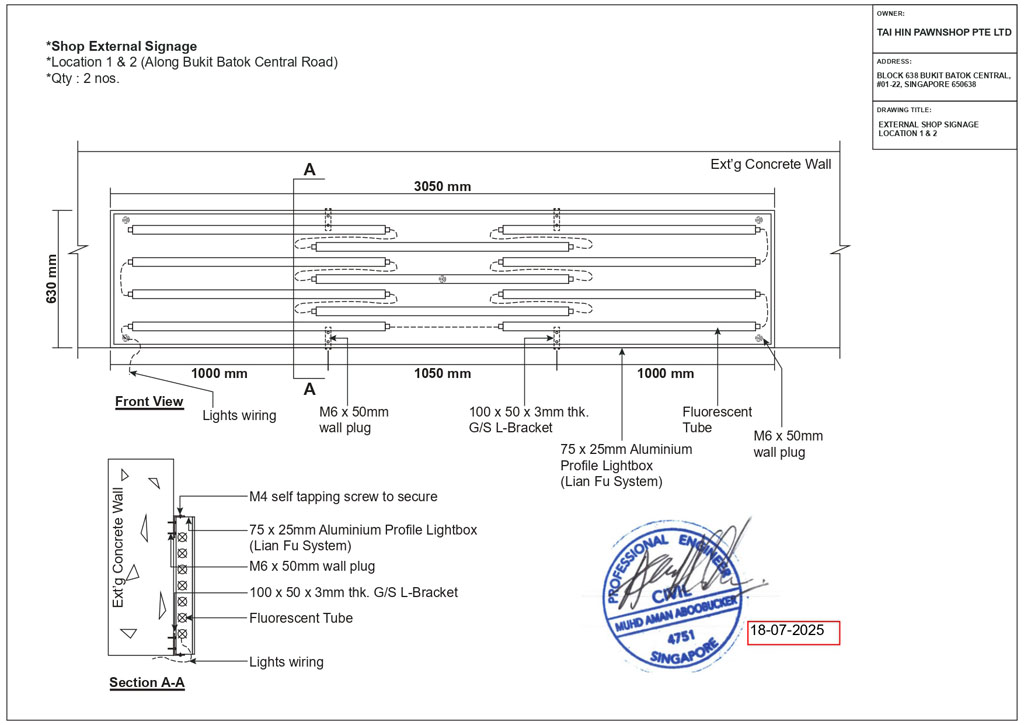
Shop Drawing Example

Workflow

Model Creation

  • Structural BIM: Use software like Autodesk Revit or Tekla Structures to model beams, columns, slabs, and foundations with embedded metadata (e.g., material grades, load capacities)
  • MEP BIM: Model ductwork, piping, electrical conduits, and equipment using Revit MEP or Navisworks, ensuring compliance with spatial and operational requirements
  • Integration: Merge structural and MEP models into a federated model to visualize interactions between systems.

Clash Detection

  • Run automated clash detection tools (e.g., Navisworks Manage) to identify “hard clashes” (e.g., pipes colliding with beams) and “soft clashes” (e.g., insufficient maintenance space around equipment)
  • Generate clash reports with visual markers, prioritized by severity (critical, major, minor)

Resolution & Coordination

  • Host multidisciplinary coordination meetings with architects, contractors, and engineers to resolve clashes.
  • Update models iteratively and validate solutions through 4D simulations (time-based sequencing) and cost analysis

Benefits

Cost Savings

Detect clashes early, avoiding rework (up to 15% cost reduction)

Sustainability

Optimize material use and energy efficiency through data-driven design

Collaboration

Cloud-based platforms (e.g., BIM 360) Enable real-time updates for global teams

Structural Steel Shop Drawings Using Tekla Structures

Crafting Fabrication Excellence

Steel shop drawings are the backbone of accurate fabrication and assembly. Using Tekla Structures, we deliver precise, code-compliant drawings that bridge design intent and on-site execution.

Key Deliverables

1. General Arrangement (GA) Drawings

  • Provide a holistic view of the steel structure, including gridlines, elevations, and critical dimensions.
  • Annotate connections (bolted/welded), member labels, and material specifications (e.g., ASTM A36).

2. Assembly Drawings

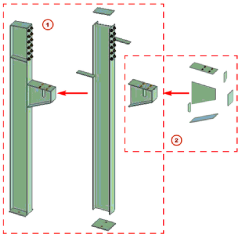
  • Detail sub-assemblies (e.g., trusses, columns with base plates) with step-by-step instructions for welding, bolting, and temporary bracing.
  • Include bills of materials (BOMs) with quantities, weights, and surface treatment requirements (e.g., galvanizing).

3. Part Drawings

  • Specify individual steel components (beams, plates, brackets) with CNC-ready details: cutting lengths, hole diameters, bend radii, and tolerances (±2mm).
  • Use Tekla’s numbering system to tag parts for seamless tracking during fabrication.

Why Tekla?

Reinforcement Shop Drawings & Bar Bending Schedules

Building Strength, Bar by Bar

Steel reinforcement shop drawings and Bar Bending Schedules (BBS) ensure concrete structures meet design strength while minimizing material waste.

Procedure

Step 1

Design Analysis

  • Extract rebar specifications from structural drawings (e.g., slab thickness, column sizes, seismic requirements).
  • Identify code standards (e.g., ACI 318, BS 8666) for bend shapes, lap lengths, and spacing.
Step 2

Shop Drawing Preparation

  • Use AutoCAD or RebarCAD to draft plans, sections, and elevations of rebar placement.
  • Detail bends, hooks, and stirrup patterns with clear callouts (e.g., “12mm Ø bars @ 150mm c/c”).
  • Label bars with unique IDs (e.g., B1, B2) for crossreferencing in BBS.
Step 3

Bar Bending Schedule (BBS)

  • Generate a BBS table listing each bar’s ID, shape, diameter, length, quantity, and weight.
  • Calculate cutting lengths using formulas (e.g., L = A + B – 2 × cover + 2 × hook length).
  • Optimize bar usage to reduce offcuts (e.g., standard 12m bars cut into 4x3m pieces).

Benefits

Cost Efficiency

BBS reduces steel waste by 510% through optimized cutting

Quality Control

Avoid on-site errors with preapproved bending shapes

Compliance

Ensure adherence to codes for seismic and durability requirements