
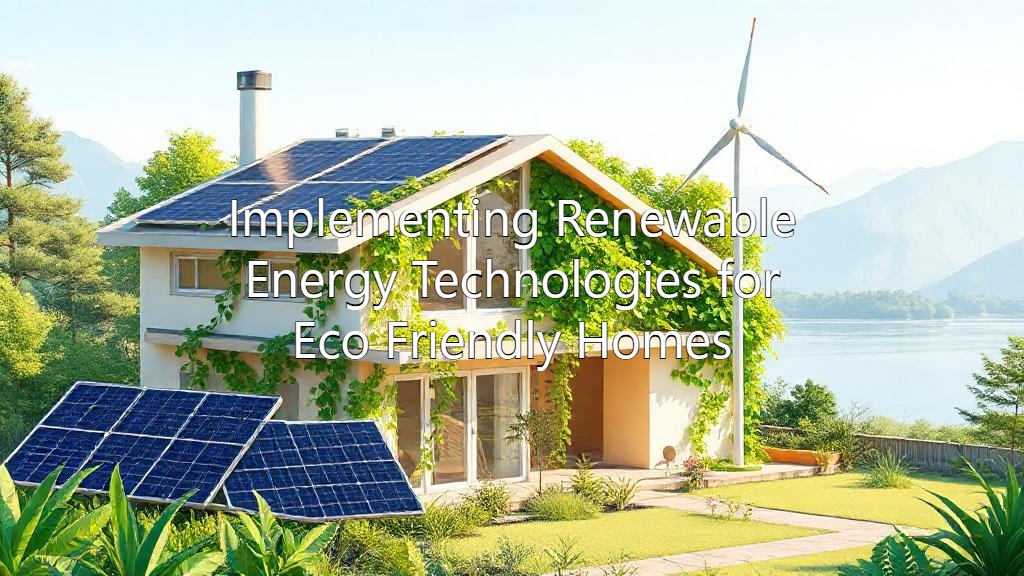
As the world grapples with the challenges of climate change, the notion of eco-friendly homes has become a beacon of hope, shining like a lighthouse in a stormy sea, guiding us towards a sustainable future.
With the global energy demand projected to increase by 30% by 2040, the question on everyone’s mind is: how can we power our homes without sacrificing the planet?
The answer lies in implementing renewable energy technologies, which can reduce carbon emissions and reliance on fossil fuels, much like a master chef substitutes unhealthy ingredients with wholesome alternatives to create a nutritious meal.
By harnessing the power of solar, wind, and geothermal energy, homeowners can significantly decrease their ecological footprint, creating a ripple effect that can inspire communities to adopt sustainable practices.
Implementing Solar Energy Systems for Residential Homes with High Efficiency Modules
The integration of solar energy systems in residential homes has become increasingly popular due to its numerous benefits, including reduced carbon footprint and lower energy costs.
Homeowners can significantly decrease their reliance on non-renewable energy sources by installing high-efficiency solar panels.
This transition not only aids in mitigating climate change but also provides a cost-effective solution for household energy needs.
- The average residential solar energy system can reduce carbon emissions by up to 5 tons annually.
- High-efficiency modules are designed to maximize energy output, even in low-light conditions, making them ideal for tropical climates.
- By leveraging solar energy, homeowners can potentially save up to 20% on their monthly energy bills.
Reducing Household Emissions with Renewable Energy Technologies and Energy Storage Solutions
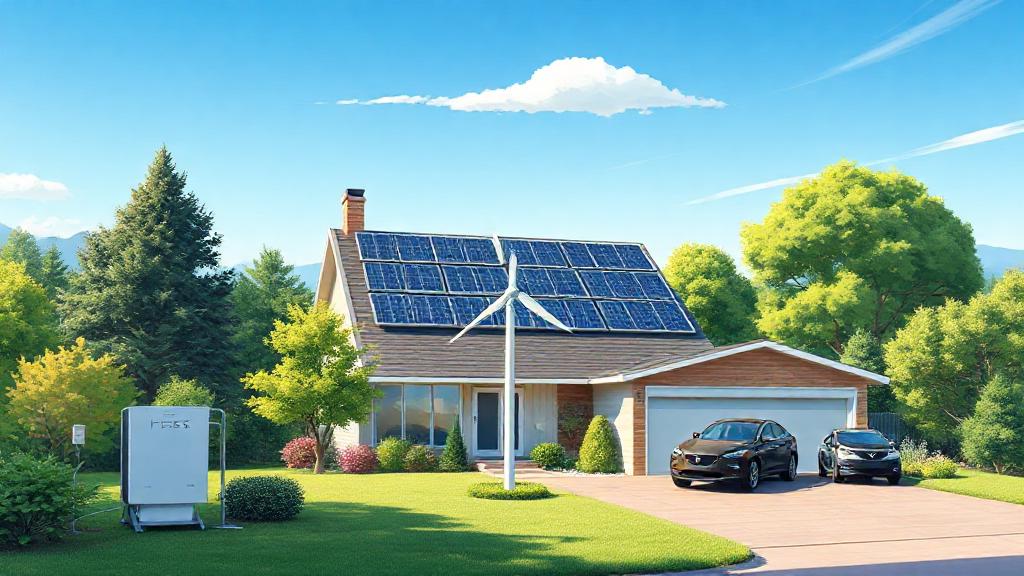
Embracing renewable energy technologies and energy storage solutions can significantly reduce a household’s carbon footprint.
Renewable energy sources like solar and wind power offer cleaner alternatives to fossil fuels, while energy storage solutions such as batteries allow excess energy generated to be stored for later use, enhancing energy independence and efficiency.
By integrating these technologies into a home, individuals can not only reduce their reliance on the grid but also contribute to a more sustainable future.
Increasing Energy Independence with Small-Scale Wind Turbines and Hybrid Solar-Wind Setups
The use of small-scale wind turbines and hybrid solar-wind setups can be a game-changer for individuals and communities looking to reduce their energy costs and environmental impact.
By harnessing the power of wind and solar energy, people can generate their own clean energy and decrease their reliance on fossil fuels.
As technology continues to advance, the efficiency and affordability of small-scale wind turbines and hybrid solar-wind setups are improving, making them more accessible to a wider range of people.
Optimizing Energy Distribution with Home Energy Management Systems and AI-Driven Optimization
The integration of home energy management systems (HEMS) and artificial intelligence (AI) is akin to having a skilled conductor leading an orchestra, where each appliance and energy source is a musician playing in perfect harmony, optimizing energy distribution and minimizing waste.
By leveraging machine learning algorithms and data analytics, AI-driven optimization can predict energy demand, detect anomalies, and automatically adjust energy consumption to ensure a seamless and efficient energy experience.
Lowering Utility Bills with Renewable Energy Technologies and Energy Efficient Appliances
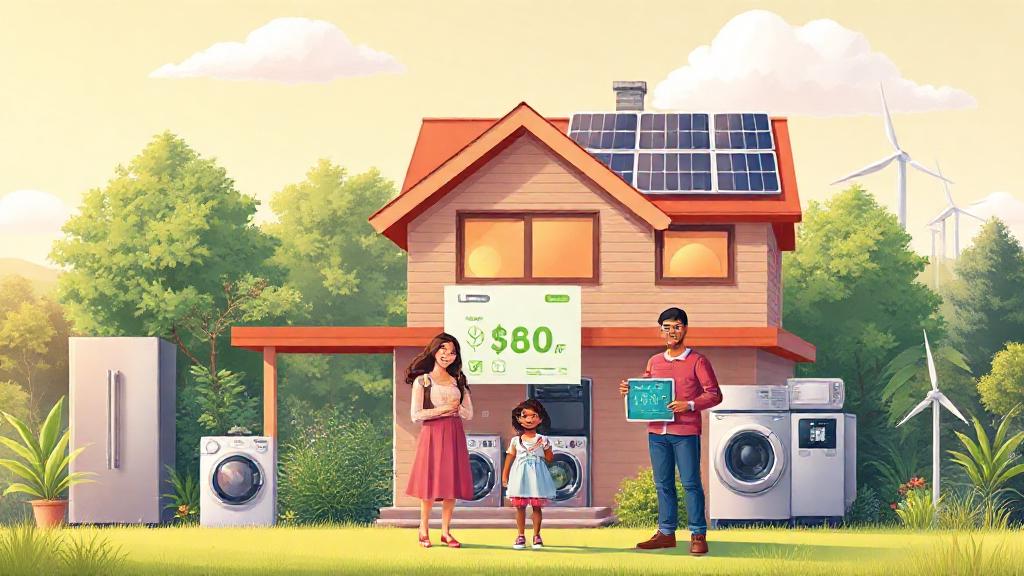
To reduce utility bills, individuals can explore various ways to integrate renewable energy technologies and energy-efficient appliances into their daily lives.
Investing in solar panels or wind turbines can significantly decrease reliance on non-renewable energy sources, leading to lower energy costs over time.
Using energy-efficient appliances, such as LED bulbs and ENERGY STAR certified products, can also contribute to decreased energy consumption.
Enhancing Resilience to Outages with Backup Power and Time-Shifting Capabilities
Building resilience against power outages is crucial for businesses and individuals alike.
- Implementing backup power systems, such as generators or batteries, to ensure continuous operation
- Investing in renewable energy sources, like solar or wind power, to reduce reliance on grid energy
- Developing time-shifting capabilities to shift non-essential loads to off-peak hours
- Conducting regular maintenance and testing of backup systems to ensure reliability
- Creating a comprehensive emergency response plan to minimize downtime and losses
Evaluating Energy Needs and Selecting Suitable Renewable Energy Technologies for Homes
As a homeowner, it’s crucial to assess energy requirements: understanding daily energy consumption patterns, appliance usage, and overall power needs.
A critical step in the process is determining the best renewable energy source for the home.
To make an informed decision, factors such as cost, maintenance, and environmental impact must be considered.
Accessing Financing Options and Incentives for Renewable Energy Technology Installation
Renewable energy technology is often perceived as a costly investment, but this notion is far from the truth, as many financing options and incentives are available to support its adoption.
In reality, the cost of renewable energy technologies has decreased significantly over the years, making them more accessible.
Mitigating Climate Change with Renewable Energy Technologies and Sustainable Living Practices
As the world grapples with the challenges of climate change, it has become increasingly evident that a multi-faceted approach is necessary to mitigate its effects, involving the integration of renewable energy technologies, such as solar and wind power, alongside sustainable living practices, including reduced consumption and waste management.
The implementation of these strategies can be facilitated through policy changes and individual actions, such as investing in energy-efficient appliances and adopting plant-based diets, which collectively contribute to a reduction in greenhouse gas emissions.
As we look to the future of eco-friendly homes, the integration of renewable energy technologies is poised to play a vital role in reducing our reliance on fossil fuels and mitigating the impact of climate change.
With the cost of solar panels and wind turbines decreasing, and advancements in energy storage and smart grid systems, the possibilities for sustainable living are becoming increasingly accessible to homeowners around the world.
The image of a sleek, modern home powered entirely by renewable energy, with a rooftop garden and a battery storage system, is no longer a distant dream, but a tangible reality that can inspire a new generation of eco-conscious homeowners.
Ultimately, the future of our planet may depend on our ability to harness the power of renewable energy and create a world where homes are not only eco-friendly but also thriving ecosystems.