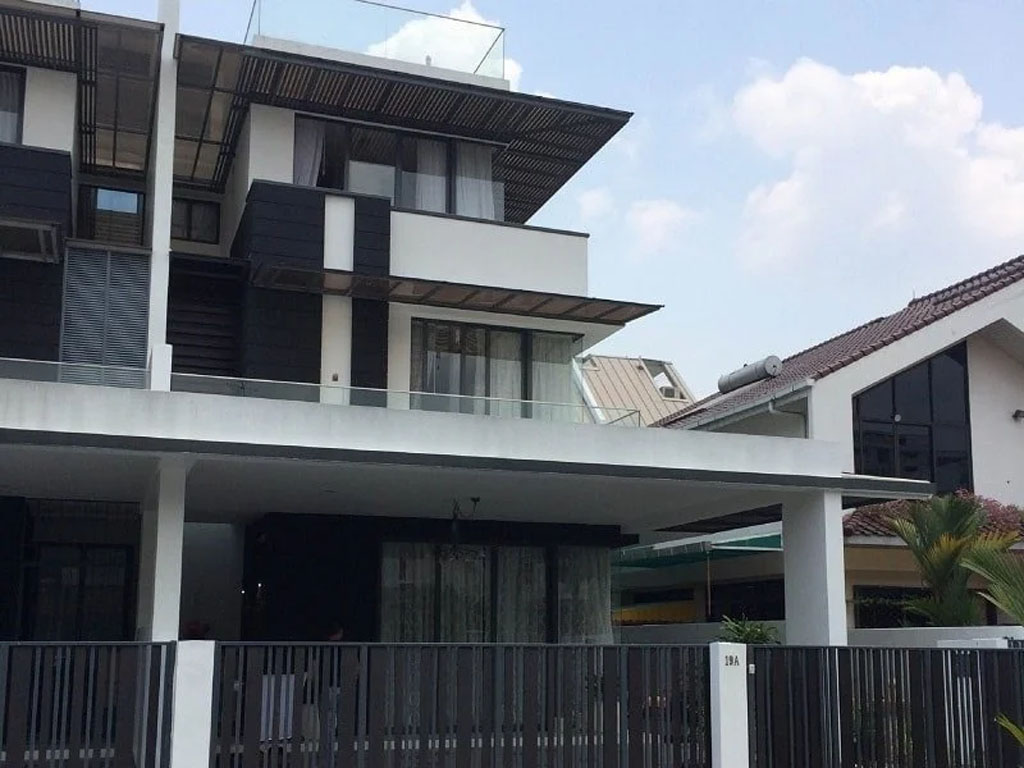
Site Inspections

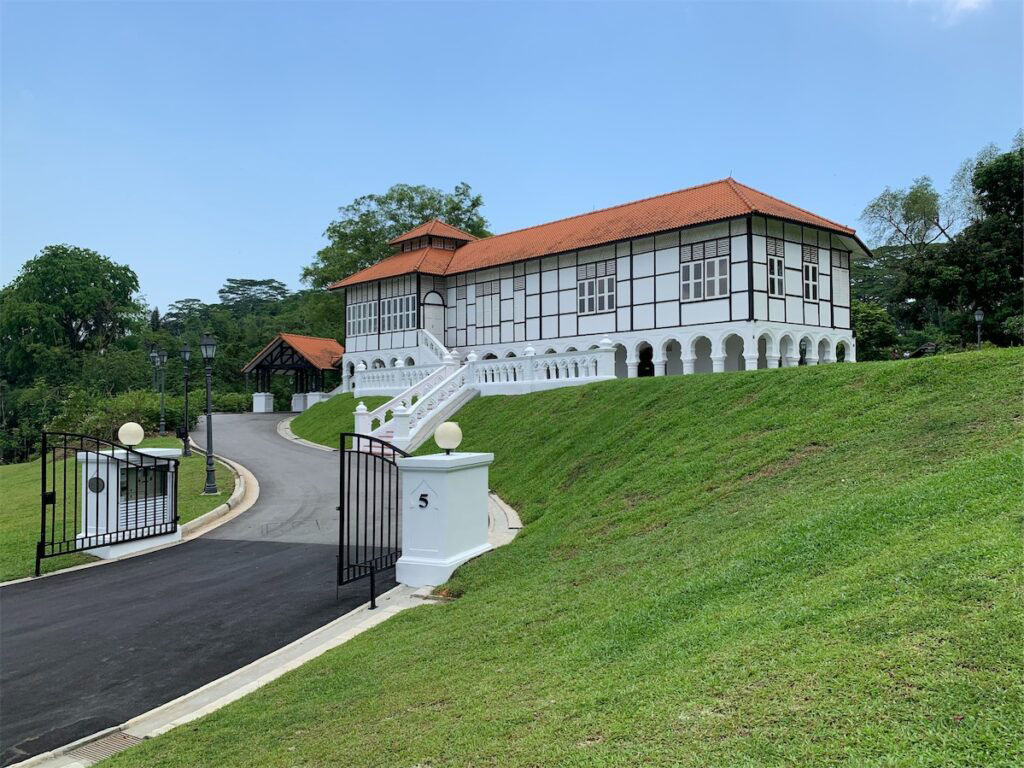
The pre-design phase establishes the foundation for successful project delivery. During this critical stage, QP architects conduct comprehensive site analysis, evaluating topographical conditions, existing vegetation, soil conditions, and surrounding context. Site analysis in Singapore’s urban environment requires careful consideration of party wall conditions, existing easements, and drainage reserves that may impact design possibilities. Architects must review land title documents, identifying any encumbrances, restrictive covenants, or conservation requirements that affect development potential.
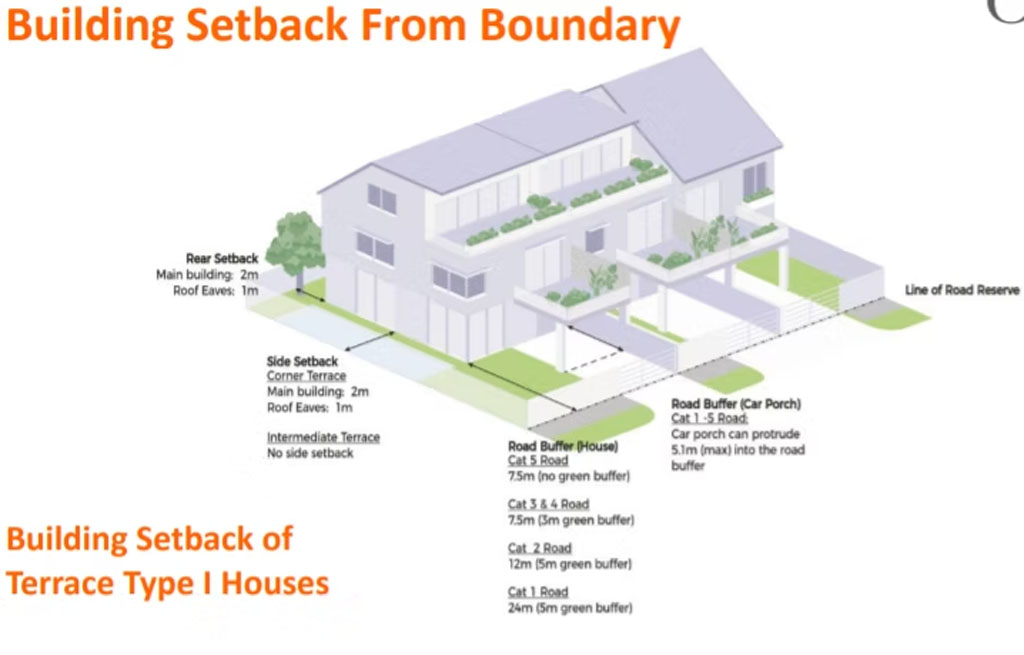
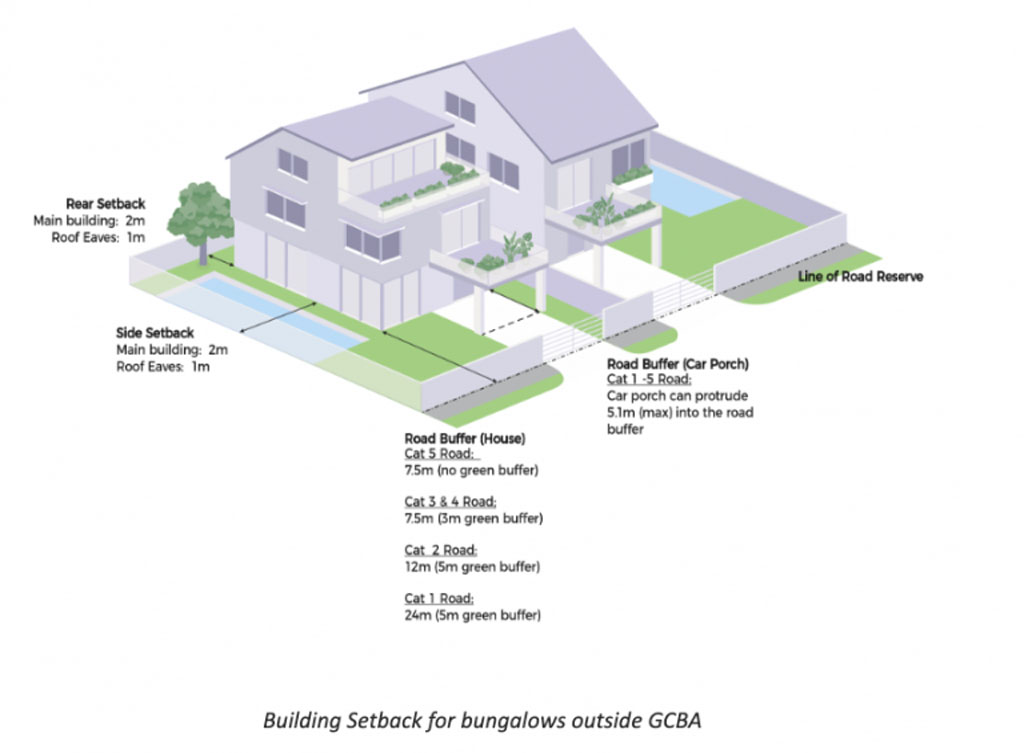
Feasibility studies form an essential component of pre-design services, analyzing the development potential within regulatory constraints. This analysis includes calculating maximum permissible Gross Floor Area (GFA), determining allowable building height based on the prevailing planning guidelines, and assessing setback requirements. QP architects must evaluate the technical feasibility of client requirements against regulatory limitations, providing realistic assessments of achievable outcomes. The feasibility study should address constructability issues, particularly for sites with challenging access conditions or significant level differences.
Comprehensive site analysis including survey verification, title search, and utility mapping
Analysis of URA Master Plan, DC guidelines, and specific site constraints
Development potential analysis and preliminary cost estimation
Documentation of client requirements and project objectives
Preliminary compliance checking during schematic design helps identify potential regulatory issues early in the design process. This includes verifying compliance with plot ratio, site coverage, setback requirements, and height controls. Architects must also consider planning guidelines for specific features such as roof terraces, swimming pools, and basement construction. Early engagement with authorities through pre-consultation meetings can help clarify interpretation of guidelines and identify potential areas of concern.
This phase requires intensive coordination with engineering consultants to integrate structural, mechanical, electrical, and plumbing systems within the architectural framework. QP architects must ensure that technical systems are efficiently integrated without compromising design intent or spatial quality. Material selection during design development considers durability, maintenance requirements, and suitability for tropical conditions.
Detailed space planning during design development optimizes functional relationships while ensuring compliance with regulatory requirements for room sizes, ceiling heights, and natural ventilation. Architects must verify that all habitable rooms meet minimum window requirements for natural light and ventilation as specified in the Building Control Regulations. The design must also accommodate required provisions for persons with disabilities, including accessible routes and facilities where applicable.
Building Information Modeling (BIM) has become increasingly prevalent in Singapore’s construction industry, with BCA mandating BIM submission for projects exceeding 5,000 square meters. While most landed residential projects fall below this threshold, many architects adopt BIM workflows to improve coordination, reduce errors, and enhance visualization capabilities. BIM models facilitate clash detection, quantity take-offs, and construction sequencing, contributing to more efficient project delivery.
Technical specifications complement drawings by providing detailed requirements for materials, workmanship standards, and performance criteria. Specifications must reference relevant Singapore Standards (SS), code requirements, and industry best practices. Clear specification of testing and inspection requirements ensures quality control during construction. Architects must also specify warranties, maintenance requirements, and operational procedures for building systems and components.
The tender and procurement phase involves assisting clients in contractor selection and contract administration. QP architects typically prepare tender documents, including drawings, specifications, bills of quantities, and contract conditions. The tender process must comply with fair trading practices, with transparent evaluation criteria and procedures. Architects may assist in pre-qualification of contractors, evaluating their technical capability, financial capacity, and track record.
During tender evaluation, architects analyze bid submissions for compliance with tender requirements and design intent. This includes reviewing proposed materials, construction methods, and project schedules. Value engineering proposals from contractors must be carefully evaluated to ensure that cost savings do not compromise design quality or performance requirements. Architects provide recommendations to clients on contractor selection based on technical and commercial considerations.
Regular site inspections verify workmanship quality, material compliance, and adherence to approved details. Architects must maintain comprehensive inspection records, documenting observations, non-conformances, and corrective actions. These records serve as important documentation for statutory inspections and final certification.
Construction administration includes reviewing and approving shop drawings, material samples, and mock-ups submitted by contractors. Architects must ensure that proposed substitutions meet or exceed specified performance requirements. Coordination with consultants during construction resolves technical issues and addresses site conditions that differ from design assumptions. Prompt response to requests for information (RFIs) helps maintain construction progress and avoid costly delays.
Post-construction services ensure successful project completion and transition to occupancy. QP architects coordinate final inspections with BCA and other authorities, addressing any outstanding issues identified during inspections. The preparation of as-built drawings documenting actual constructed conditions provides valuable reference for future maintenance and modifications. Architects compile operation and maintenance manuals, consolidating warranty information, maintenance schedules, and operational procedures for building systems.
The Urban Redevelopment Authority serves as the national planning authority, establishing and enforcing planning guidelines that shape Singapore’s built environment. URA submissions for landed residential projects begin with the Development Control (DC) stage, where proposed developments are evaluated against prevailing Master Plan zoning, plot ratio controls, and development guidelines. The DC submission must demonstrate compliance with use permissions, intensity controls, building height limits, and setback requirements specific to the site’s planning area.
Preparation of URA submissions requires meticulous attention to calculation methods and presentation standards. Gross Floor Area (GFA) calculations must follow URA’s detailed guidelines, distinguishing between areas counted toward plot ratio and exempted areas such as covered linkways, sunshading devices, and planter boxes. The submission must include detailed floor plans, elevations, sections, and site plans drawn to specified scales and clearly annotated with dimensions, levels, and area calculations.
Special planning considerations apply to specific features common in landed residential developments. Roof terraces and sky gardens must comply with guidelines regarding setbacks from boundaries, screening requirements, and activity restrictions. Swimming pools are subject to setback requirements and must include adequate safety barriers. Basement construction requires careful consideration of building setback lines, with basements typically not permitted to extend beyond building footprints except for specific allowed projections.
The Building and Construction Authority regulates building safety and construction standards through the building plan approval process. BCA submissions focus on structural safety, fire safety, accessibility, and environmental sustainability. The building plan submission must demonstrate compliance with the Building Control Act, Building Control Regulations, and various Codes of Practice and Singapore Standards. QP architects coordinate inputs from Professional Engineers (PE) for structural and MEP designs to ensure comprehensive compliance.
Structural plan submissions require detailed drawings showing structural systems, member sizes, and reinforcement details prepared by qualified Professional Engineers. The structural design must comply with Singapore Standards for structural concrete (SS EN 1992), considering local conditions including seismic requirements. For sites with challenging ground conditions or near MRT lines, additional geotechnical investigations and specialized foundation designs may be required.
Sanitary plumbing and sewerage proposals must comply with PUB’s requirements for pipe sizing, gradients, and connection to public sewers. The submission must include detailed plumbing layouts, riser diagrams, and specifications for sanitary appliances. Water efficiency requirements under the Mandatory Water Efficiency Labelling Scheme (MWELS) apply to all water fittings, with minimum efficiency ratings required for different fixture types.
For landed residential developments fronting major roads or near transport infrastructure, Land Transport Authority requirements may apply. Vehicle access points must be designed to ensure adequate sight lines and safe entry/exit movements. The number and width of vehicular crossings are regulated based on frontage length and road classification. Developments near MRT lines must comply with railway protection requirements, including vibration and settlement monitoring during construction.
Parking provision for landed residential developments follows LTA guidelines, with minimum requirements based on dwelling unit type and size. Typical requirements include 2 parking lots for houses exceeding 200 square meters and 1 lot for smaller units. The design of driveways and garage areas must accommodate standard vehicle dimensions and turning radii. Electric vehicle charging provisions are increasingly encouraged, with pre-wiring for future charging point installation becoming standard practice.
Sustainability in residential architecture has evolved from optional consideration to fundamental design principle, driven by environmental consciousness, regulatory requirements, and long-term economic benefits. Singapore’s Building and Construction Authority Green Mark Scheme provides a comprehensive framework for evaluating environmental performance, though voluntary for smaller landed residential projects. The integration of sustainable design strategies from project inception enables cost-effective implementation of green features that enhance livability while reducing environmental impact. This section explores comprehensive approaches to sustainable residential design applicable to Singapore’s tropical context.
Energy consumption in residential buildings primarily stems from air-conditioning, water heating, and lighting systems, collectively accounting for over 70% of household electricity use. Passive design strategies reducing cooling loads represent the most cost-effective approach to energy efficiency. Building orientation optimizing north-south facades, appropriate Window-to-Wall Ratios, and effective shading systems can reduce cooling energy requirements by 20-30%. The building envelope’s thermal performance, enhanced through insulation and high-performance glazing, further reduces heat transmission.
Solar photovoltaic systems have become increasingly viable for landed residential applications, with technology improvements and cost reductions enhancing economic feasibility. Typical residential installations of 5-10 kWp can offset 30-50% of household electricity consumption, with excess generation exported to the grid under SP Group’s net metering scheme. System design must consider roof orientation, shading from adjacent buildings, and structural capacity for panel mounting. Building-integrated photovoltaics (BIPV) incorporated into roof tiles or facades provide architectural integration while generating renewable energy.
Energy monitoring and management systems provide real-time feedback on consumption patterns, enabling behavioral changes that can reduce energy use by 10-15%. Smart home technologies automatically optimize energy consumption through occupancy-based control, scheduling, and load management. The integration of battery storage systems, while currently expensive, enables greater self-consumption of solar generation and provides backup power during outages.
Water conservation strategies address Singapore’s water security concerns while reducing utility costs for homeowners. The implementation of water-efficient fixtures mandated under the Water Efficiency Labelling Scheme provides immediate conservation benefits. Beyond regulatory compliance, comprehensive water management integrates rainwater harvesting, greywater recycling, and efficient irrigation systems. Rainwater collected from roofs can supply irrigation needs, reducing potable water consumption for landscape maintenance by up to 50%.
Active, Beautiful, Clean Waters (ABC Waters) design features manage stormwater while creating aesthetic landscape elements. Rain gardens, bioretention swales, and permeable paving reduce runoff while filtering pollutants and recharging groundwater. These features must be properly sized based on catchment areas and rainfall intensities, with overflow provisions for extreme events. Maintenance requirements including periodic replanting and media replacement ensure long-term functionality.
Greywater recycling systems, though requiring higher initial investment, can reduce water consumption by 30-40% through toilet flushing and irrigation use. System design must ensure proper treatment to meet NEA guidelines for recycled water quality. Membrane bioreactors or constructed wetlands provide biological treatment, while UV disinfection ensures pathogen elimination. Dual plumbing systems prevent cross-contamination while enabling selective use of recycled water.
Material selection significantly impacts environmental footprint through embodied energy, resource depletion, and end-of-life disposal. Sustainable material strategies prioritize locally sourced materials reducing transportation emissions, recycled content materials conserving natural resources, and rapidly renewable materials like bamboo and engineered timber. Life cycle assessment tools evaluate total environmental impact, considering extraction, processing, use, and disposal phases.
The Singapore Green Building Product Certification Scheme identifies products meeting environmental and health criteria, simplifying specification of sustainable materials. Certified products undergo evaluation for energy efficiency, water efficiency, resource efficiency, health, and ecological impact. Preference for certified products supports market transformation toward sustainable building materials while ensuring performance standards.
Construction waste minimization through modular design, prefabrication, and efficient material utilization reduces environmental impact and disposal costs. Design for disassembly principles enable future adaptation and material recovery.
Green Mark certified homes demonstrate measurable benefits:
The Building Control Act forms the primary legislation governing building construction in Singapore, establishing requirements for structural safety, fire safety, and environmental health. The Building Control Regulations provide detailed technical requirements implementing the Act’s provisions. Recent amendments have strengthened requirements for periodic structural inspections, façade inspections, and accessibility provisions. Understanding the hierarchical structure of legislation, regulations, and Approved Documents enables proper interpretation and application of requirements.
The Quality Mark Scheme for good workmanship practices has been integrated into regulatory requirements, mandating minimum CONQUAS scores for certain building types. While not mandatory for individual landed homes, understanding quality assessment criteria helps ensure construction meets industry standards. The Buildability Framework encourages designs facilitating efficient construction through standardization, prefabrication, and mechanization, with minimum buildability scores required for larger projects.
The Planning Act empowers URA to regulate land use and development intensity through Master Plans and Development Control Guidelines. Master Plans designate land use zones, plot ratios, and building heights for all land parcels, reviewed every five years to respond to changing needs. Development Control Guidelines provide detailed parameters for setbacks, site coverage, and specific features, with guidelines regularly updated to address emerging issues and development trends.
The Code on Accessibility in the Built Environment mandates provisions ensuring buildings are accessible to persons with disabilities. While requirements are less extensive for landed residential buildings compared to public buildings, basic provisions for accessibility should be incorporated. Accessible routes from arrival points to building entrances, with maximum gradients and minimum widths, facilitate access for wheelchair users and those with mobility limitations.
Universal Design principles extending beyond minimum code requirements create environments usable by all regardless of age, ability, or status. Step-free entries, wider doorways, and accessible bathrooms accommodate aging-in-place and visiting relatives with disabilities. Lever handles, rocker switches, and appropriate lighting levels enhance usability for those with reduced dexterity or vision. Incorporating Universal Design features during initial construction proves more cost-effective than subsequent modifications.
The Workplace Safety and Health Act imposes duties on stakeholders including developers, designers, and contractors to ensure construction and maintenance safety. The Design for Safety (DfS) Regulations require designers to identify and mitigate safety hazards through design modifications. QP architects must conduct DfS reviews, documenting hazards and mitigation measures in DfS registers submitted with building plan applications.
Construction safety considerations influence design decisions, particularly for complex structures or challenging site conditions. Designing for safe construction sequencing, providing adequate working space, and minimizing work at height reduces accident risks. Maintenance safety requires provision of safe access to roofs, facades, and building services for cleaning, inspection, and repair. Anchor points for fall protection, maintenance platforms, and adequate lighting ensure long-term maintenance safety.